Explore the feasibility and considerations of having an electrician run power to your shed. Discover what factors play into this decision, the costs involved, and the possible components of the project to ensure a seamless setup.
1. What Are the Benefits of Installing Power in a Shed?
Having power in your shed can vastly increase its utility. It transforms what might otherwise be a simple storage space into a functional workspace.
With power, you can install lighting, which is crucial if you use the shed during evening hours or in dim conditions. Beyond lighting, power enables you to operate tools and equipment, thus enhancing your ability as a hobbyist or professional. Additionally, powered sheds can support appliances like heaters or fans, making them comfortable year-round.
Power in a shed further contributes to the organization and efficiency of your tasks. If your shed is remote in the backyard, having power avoids the need for running long extension cords from the house, which can be a safety hazard. This setup can also enhance your outdoor living by allowing for installations such as a mini-refrigerator, stereo system, or security cameras. Such additions can turn your shed into an entertainment or relaxation haven, a valuable extension of your living space. Thus, a powered shed not only improves functional aspects but can also elevate your property’s value.
Getting electricity to your shed also means you can make use of electronic garden equipment, reducing the physical toll of laborious gardening tasks. This is particularly beneficial if you have extensive vegetation or a large lawn to manage. Access to power outlets can facilitate charging batteries for electric lawnmowers or blowers. Moreover, you can consider sustainability options like solar-powered tools, integrating renewable energy into your daily shed use. Overall, these benefits make installing power in a shed a prudent and strategic choice.
2. How Do Electricians Run Power to a Shed?
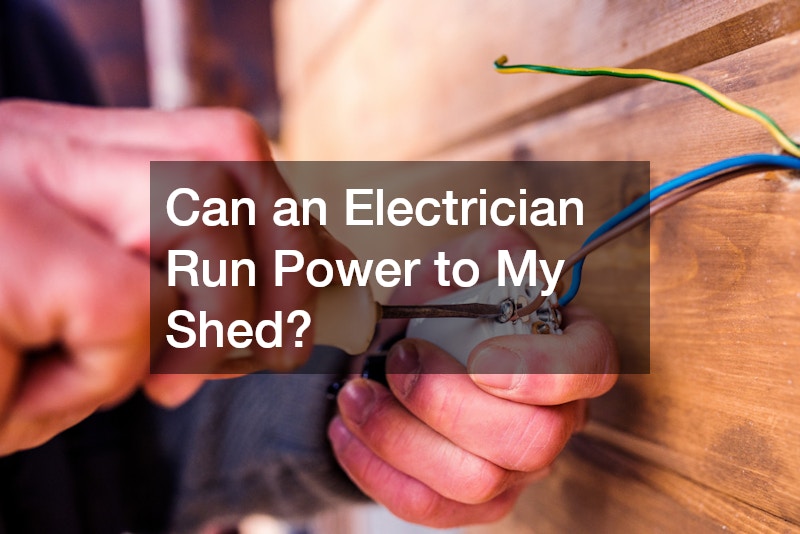
The process of running electrical power to a shed involves several methodical steps carried out by a professional electrician. Initially, a professional will evaluate the existing electrical capacity of your home to ensure your system can handle additional load without overloading. They will then devise a plan to extend power lines from your house to your shed, which often involves digging a trench for underground conduit installation. Underground installation is preferred due to its improved aesthetics and reduced risk of damage compared to overground wiring. The electrician will consider necessary factors such as soil type, local regulations, and the shed’s location relative to your home.
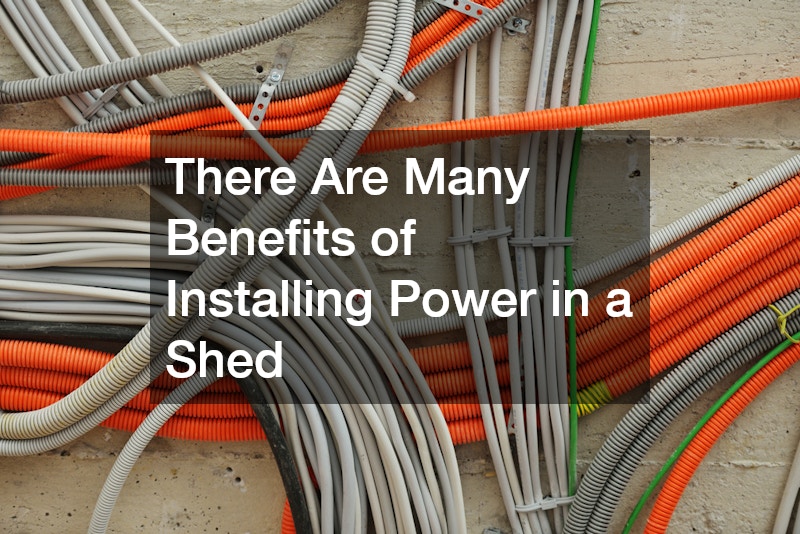
Once the trench is prepared, the electrician will lay down conduit and feed electrical wires through it, connecting them to the main panel in your home. They will also place a small sub-panel in the shed to allow you to control the power supply independently. The entire system is double-checked to ensure compatibility and safety standards are met before the trench is covered, often with a layer of sand to protect the conduit from sharp rocks or debris. Completing the connection involves installing outlets, switches, lighting, and testing everything thoroughly to make sure they are functional. These meticulous steps must comply with local building codes and safety regulations to prevent future electrical issues.
Professional electricians are also equipped to install specialized components such as moisture-resistant fixtures, particularly if your shed may experience conditions susceptible to moisture buildup. This ensures longevity and safety of the electrical installation. Moreover, with smart technology, electricians can even incorporate elements such as smart lighting or Wi-Fi-enabled switches in your shed. Integrating such modern commodities not only enhances the shed’s utility but synchronizes it with your home’s contemporary amenities. Overall, the process requires precision and expertise to achieve a reliable and safe electrical setup.
3. What Are the Costs Involved?
Running power to a shed involves a spectrum of costs, influenced by several factors like distance from the house, type of wiring, and any additional features. On average, the expenses can range from $300 to $1,500 or more, primarily driven by the scope of the project and geographic considerations. The cost of material like wiring, conduits, and utility panels for your shed significantly affects the overall price. Labor is another major contributor, as electricians charge for their expertise in excavation, wiring, and finishing the installation. Depending on the shed’s distance from the primary panel, labor fees might fluctuate due to the extra effort required.
Other auxiliary costs can arise from the necessity of permits, which are mandatory in many areas. Permit fees differ based on municipality standards and specific project requirements but are necessary to ensure compliance with safety regulations. Additional expenses could stem from any customization, such as waterproof fixtures or enclosures, especially if local weather conditions warrant heavy-duty equipment. If opting for a more elaborate setup, like adding a dedicated circuit or installing smart technology, expect prices to increase accordingly. Discussing a detailed quote with your electrician before the project begins will help in understanding the financial commitment required.
It’s crucial to remember that while the initial cost may appear substantial, investing in professional installation pays off by securing safety and functionality. DIY attempts might seem attractive for cost-saving purposes, yet they carry the risk of improper installations, code violations, and potential hazards, which can end up costing more if rectifications are needed. Moreover, a professional job includes warranties and peace of mind that the entire setup is reliable and compliant with regulations. Long-term, the enhancement in property value and utility may well exceed the upfront investment, making the endeavor financially wise.
4. Do I Need a Permit for Running Power to My Shed?
Yes, in most jurisdictions, you will require a permit to run power to an outbuilding like a shed. Permits ensure that all electrical work complies with local safety codes and regulations, protecting both property and individuals. Acquiring a permit involves submitting a detailed plan of the proposed electrical work to relevant local authorities. This blueprint demonstrates adherence to codes regarding electrical load capacity, wire gauge, and distance, among other requirements. Failing to secure a permit can result in hefty fines, voided insurance, and mandatory removal or modification of the unapproved work.
Obtaining the necessary permits is an integral part of the process and is time-sensitive, as conducting work without it can impede project timelines. Fortunately, most professional electricians handle permitting arrangements, streamlining the process for home or business owners. Licensed electricians are familiar with local requirements and are adept at ensuring that the documentation covers all aspects of the installation. The procedures safeguard against substandard practices that might cause malfunctions or dangerous conditions, like electrical fires or shocks. Also, permits are essential for legal reasons when it comes to property sales, where non-compliance or lack of documentation could devalue your property.
While securing permits may incur additional costs and bureaucratic steps, it provides reassurance that your electrical system is safe and reliable. Additionally, permit inspections double as an extra layer of verification that the job was done correctly, offering ownership peace of mind. Moreover, compliance with permit requirements bolsters property records, which may prove beneficial should disputes or queries arise in the future. In conclusion, while obtaining permits may seem cumbersome, their role is crucial in delivering a secure and efficient electrical setup for any shed. Always consult with your electrician to understand the specific permitting requirements for your area.
5. What Sets Professional Electricians Apart?
Professional electricians bring a wealth of experience and industry knowledge that sets them apart in installing electrical systems for sheds. Their training equips them to tackle the complexities of electrical work safely and efficiently. Licensed electricians are familiar with regional codes and regulations, ensuring that installations meet all necessary compliance standards. Unlike DIY enthusiasts, professionals have access to advanced tools and equipment designed explicitly for precise electrical work. Their practices minimize risks such as electrical fires, shock, and other potential hazards that could arise from improper installations.
An advantage of working with professional electricians is their ability to foresee and mitigate future issues before they occur. Their understanding of the intricacies involved in electrical connections allows them to plan and execute work meticulously, resulting in durable and resilient installations. For instance, they can propose solutions if existing electrical systems require upgrading to accommodate new power demands. Professionals can customize services based on individual needs, offering solutions for enhanced energy efficiency or modern technology integration like home automation systems. Such bespoke services can significantly boost a property’s functionality and convenience.
Moreover, hiring professionals means benefiting from comprehensive service packages that include installation, maintenance, and warranty. If any issues arise post-installation, a licensed electrician can address them under the terms of their service contract. This continuity of service provides a level of reliability and assurance not always available with self-installation or unlicensed workers. Furthermore, professional credibility and reputation add an intangible value, with companies striving to satisfy their clients to maintain positive reviews and recommendations. Overall, while potentially pricier than other methods, the expertise, security, and quality associated with professional electricians often outweigh the cost concerns.
Deciding to hire an electrician to run power to your shed is a substantial decision that can greatly enhance your property’s utility and value. By understanding the benefits, process, costs, and necessary permits, you can make an informed decision that will ensure the safety and reliability of your shed’s electrical setup.
About the Author